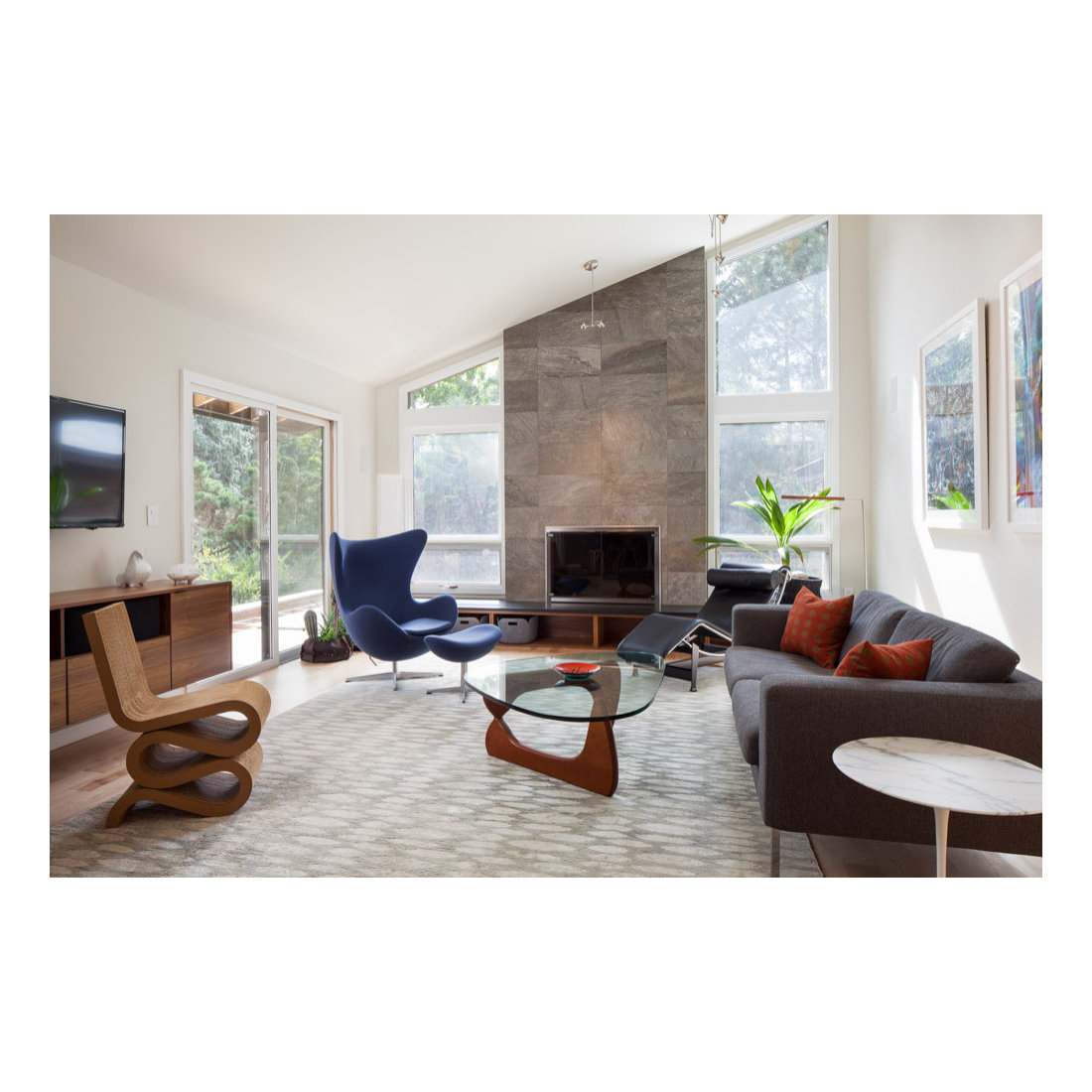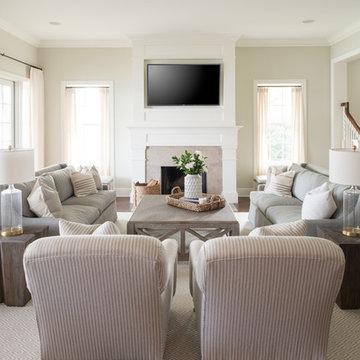


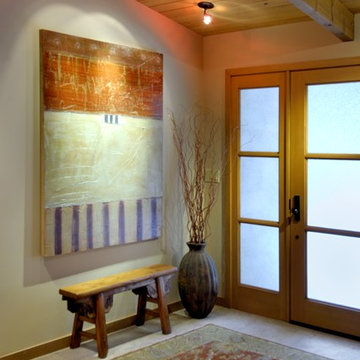
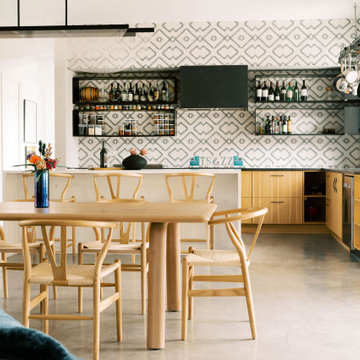

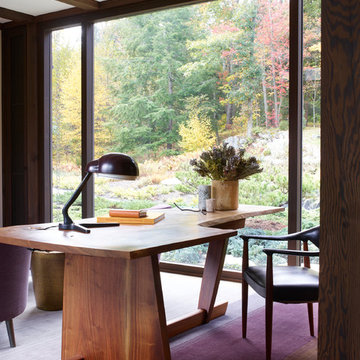
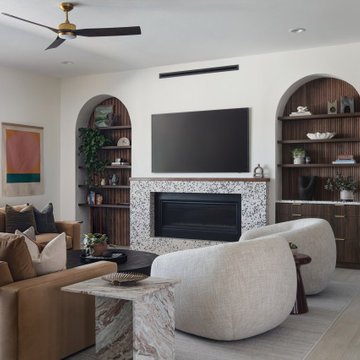




Living rooms fail when every object asks for attention. Layering is the craft of stacking quiet decisions: a low sofa, a deeper rug, a lamp that pools light, and one vertical gesture like a tall plant or artwork. Noise is optional; depth is not.
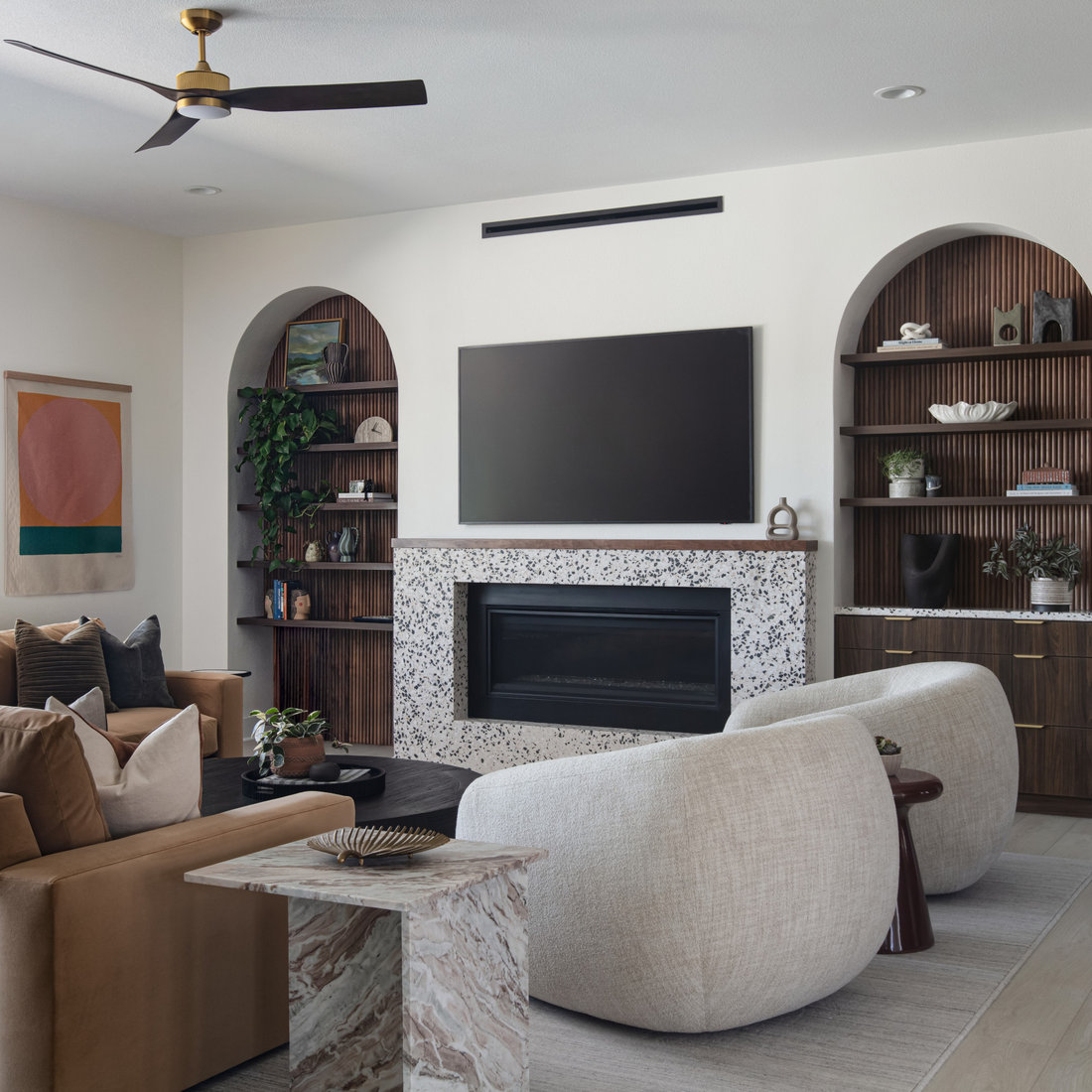
Anchor with a rug that is slightly too large
Front legs of seating should sit on the rug. Undersized rugs make furniture float and the room feel temporary. Prefer wool or flatweave with low contrast pattern so texture does the work. If the rug is the loudest object, everything else has to retreat — which is fine, as long as you choose that on purpose.
Compose in threes
Coffee table vignettes, shelf stacks, and pillow groups look intentional in odd numbers. Vary height and material — ceramic, book, linen — rather than repeating the same finish. Leave at least a third of the table clear; empty surface is part of the composition.

Leave negative space
One empty wall or a clear path through the room is part of the design. Photograph your space, then compare with Living Room pins in HowsRoom. If the reference has breathing room and yours does not, remove before you add.
Search “layered linen living room” or “moody oak living room” and save boards by light: morning bright, evening lamp-lit. Mixing those two moods on one board usually creates conflict.